The library
90 guides, newest first. Every one names the pick, the runner-up, and the animal it is wrong for.
A healthy cat almost never needs a bath. The real exceptions, how to do it without a fight, and the one product that must never touch a cat.
When a kitten is ready for a box, which box and litter suit a small cat, where it goes, and what to do about accidents without punishment.
Many policies treat euthanasia as a vet bill and cremation as something else. What five carriers' own documents say, and the clauses to check first.
A flirt pole turns ten minutes in the yard into a full chase, if the line suits the dog and the lure stays low. Three worth buying, and who each is wrong for.
A crate teaches a puppy to hold it. A pen covers the hours the puppy cannot. Here is how shelter behaviour teams split the two, and how to set up both.
On the bed, beside it, or out of the room. What the sleep studies, the infection literature and allergy guidance say about where a dog or cat should sleep.
Only a handful of pet toothpastes carry the VOHC seal, and every one of them was accepted on the dogs list. Three worth buying, and who each is wrong for.
Tuna is fine as an occasional treat and wrong as a diet. The mercury figures by tuna type, the vitamin E and thiamine problems, and how much counts as a treat.
FDA and Tufts guidance on storing kibble: keep the original bag, stay under 80F, finish an open bag within three months, and what storage-mite studies found.
A cat's claw is narrow, curved and retractable, and the clipper decides how cleanly it cuts. Which style suits which cat and owner, and four worth buying.
Clumping clay never goes down the toilet, and flushable litter comes with conditions. What the pipes, the parasite and the law say, and where scoopings belong.
A new insurer reads your pet's history from scratch. What switching costs in exclusions, waiting periods and deductibles, and how to move without a gap.
Tug does not make a dog dominant or aggressive, and winning is fine. What the studies tie to trouble is who starts the game and how the human plays it.
Disaster research keeps finding the same pattern: cats get left behind when the household has no carrier. Here is the plan that fixes it before the alarm.
Electric heated beds and plug-free self-warming pads solve different problems. Four picks, sorted by where the dog sleeps and how cold it gets.
Most cat hospitals surveyed recommend lysine. Two shelter trials found cats fed extra lysine got sicker, and no trial has studied the cats who get it most.
H5N1 has been traced to specific lots of raw cat food. What the FDA now requires of makers, which processes kill the virus, and why freezing is not one.
A 10lb dog eats less than a cup a day, so the kcal per cup on the bag decides whether it stays lean. Five small-breed formulas, read against their labels.
Most healthy dogs need a bath every 4 to 12 weeks. What sets the interval, why human shampoo is the wrong product, and the rinse most people cut short.
The cat can stay. What changes during pregnancy is who empties the litter box, how often, and what else carries more toxoplasmosis risk than the box does.
Filing deadlines from 90 to 270 days, the invoice and records carriers require, how long payment takes, and where to appeal when a claim is refused.
Five food puzzles sorted by the job they do: slowing a gulper, occupying a bored dog, or giving an indoor cat the end of a hunt.
No agency certifies a pet carrier as airline approved. Three separate rulebooks decide whether yours flies, and two of them publish exact numbers.
Four ramps judged on the only number that decides whether one helps: the angle it makes against the height it has to bridge. Measure the rise before you buy.
Thirty-five dog chews carry the VOHC seal. Four are worth buying, and the deciding numbers are size, pack count and the calories taken out of dinner.
AAFCO recognizes gestation/lactation, growth and adult maintenance. There is no senior profile, which is why two bags marked 7+ can differ wildly.
AAFCO caps large-breed puppy growth food at 1.8% calcium, not the usual 2.5%. Four formulas that carry the right statement, and how to check yours.
Around a third of cats show no active response to catnip. It's genetic, not a personality flaw, and silvervine reaches most of the cats catnip misses.
Almost nothing in this category is independently crash tested. Here is what the few certified carriers were tested against, and what failed before them.
A ramp only works if it's long enough, and a rug only works if it covers the right five feet of floor. Where the physics matters most.
Four kitten foods judged against the AAFCO growth profile: the protein, calcium and DHA minimums that separate a real kitten food from an adult one.
The strongest result is a shelter trial in cats. The bigger problem is quality control: only 4 of 15 tested products met their own live-organism claim.
Plier clippers, guillotine trimmers and rotary grinders fail in different ways on different nails. Which tool is wrong for your dog, and the five worth owning.
Entry height decides whether an arthritic cat keeps using the box, and almost no maker publishes it. How to measure it, and three that clear the bar.
The moisture case that drives cat feeding barely applies to dogs. What actually changes: calorie density, cost, and a bloat risk factor tied to feeding speed.
Waiting periods that overlap exactly when hereditary conditions first show signs, and why one line in a vet record can exclude a condition for life.
A bed can look fine and still be flat where the dog's weight lands. The crater test, warranty math, and what worn foam costs a dog with joint pain.
String, ribbon, yarn and rope don't just get swallowed. They gather the intestine like a drawstring, and it is a surgical emergency in both dogs and cats.
The discharge sheet says switch litter and most owners skip it. Here is why the substitution matters, what actually qualifies, and how long to keep using it.
A therapeutic urinary diet and a bag labelled "urinary care" solve different problems. The label alone will not tell you which one your cat needs.
Four crates judged on what decides whether a dog uses one: the size math, and whether the material matches the dog in front of you.
A cat's claw retracts, and that changes both the technique and the risk. Where the quick sits, how to see it, and the hold that keeps a claw extended.
No CBD product for animals has FDA approval, and AAFCO has no ingredient definition for it. Here is what that means for the bottle on the shelf.
Cornell's transition schedule for dog food, why fast switches cause diarrhoea, feeding habits tied to bloat risk, and when it stops being about the food.
The 7 to 10 day transition schedule the evidence actually supports, why abrupt food changes cause diarrhoea, and when a switch stops being about the food.
Accident-only costs about a quarter of full cover. Here is exactly which bills it pays, which it refuses, and the animals it genuinely suits.
Cats claim for teeth, kidneys, thyroids and urinary blockages, not broken legs. Five carriers compared on the clauses that decide those claims.
Five carriers compared on the terms that decide a dog's claims: the orthopedic waiting period, exam fees, direct vet payment and what happens as the dog ages.
The five settings that decide what a policy pays, the waiting periods that quietly create exclusions, and what state rules now make carriers tell you.
What a policy costs against what a claim costs, using industry premium data and real claim figures, and the arithmetic that decides it for your household.
Age caps, senior premiums, how carriers define a pre-existing condition, the lookback windows, and the one carrier whose exclusion actually expires.
A mat traps moisture against skin and can hot-spot within a day. What combs out, what needs clippers, and why scissors is the wrong tool either way.
Four chew toys built for power chewers that still pass the thumbnail test: firm rubber that flexes rather than resists, not hard nylon or antler.
Chondroitin has a fairly consistent number in the literature. Glucosamine does not, and most bottles are labeled by weight tier rather than by a trial dose.
A crate does not fix separation anxiety alone. Here is the desensitization protocol that does the work, and how to tell when it needs a professional.
A gel pad is comfort, not a treatment. Here is what cooling bedding does, what it does not, and the numbers that actually define a heatstroke emergency.
Most feeding charts assume an outdoor cat that no longer exists. The actual calorie math, the body condition check, and why cats can't lose weight fast.
AAFCO caps calcium at 1.8% DM for large-breed growth formulas, not the usual 2.5%. Here is why, and how to check a bag against it.
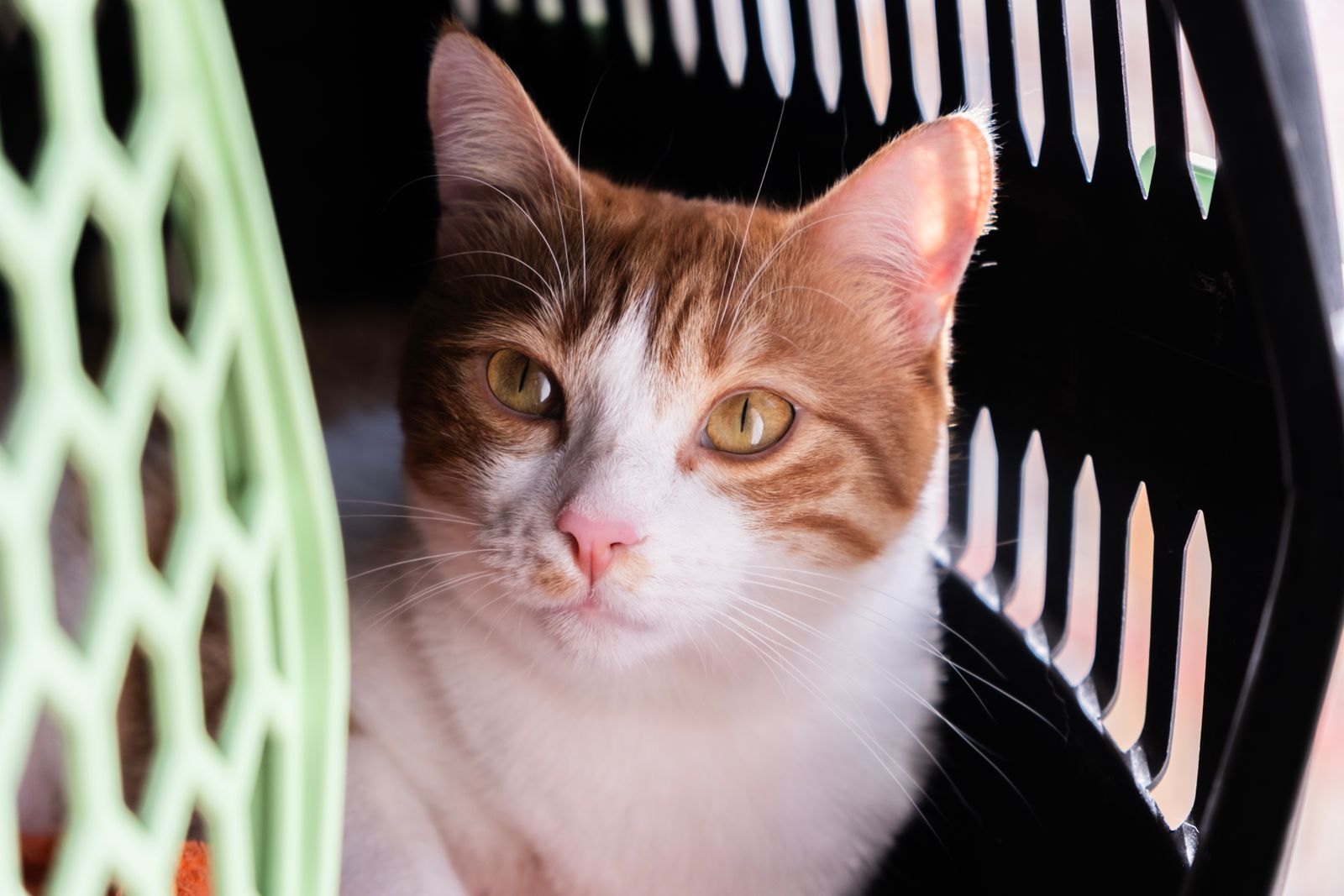
Five carriers judged on the two things that decide the day: whether it opens from the top, and whether anyone has crash-tested it.
Five cat toys that hold a cat's interest past week one, chosen around prey sequence, solo play and the failure modes that make most toys landfill.
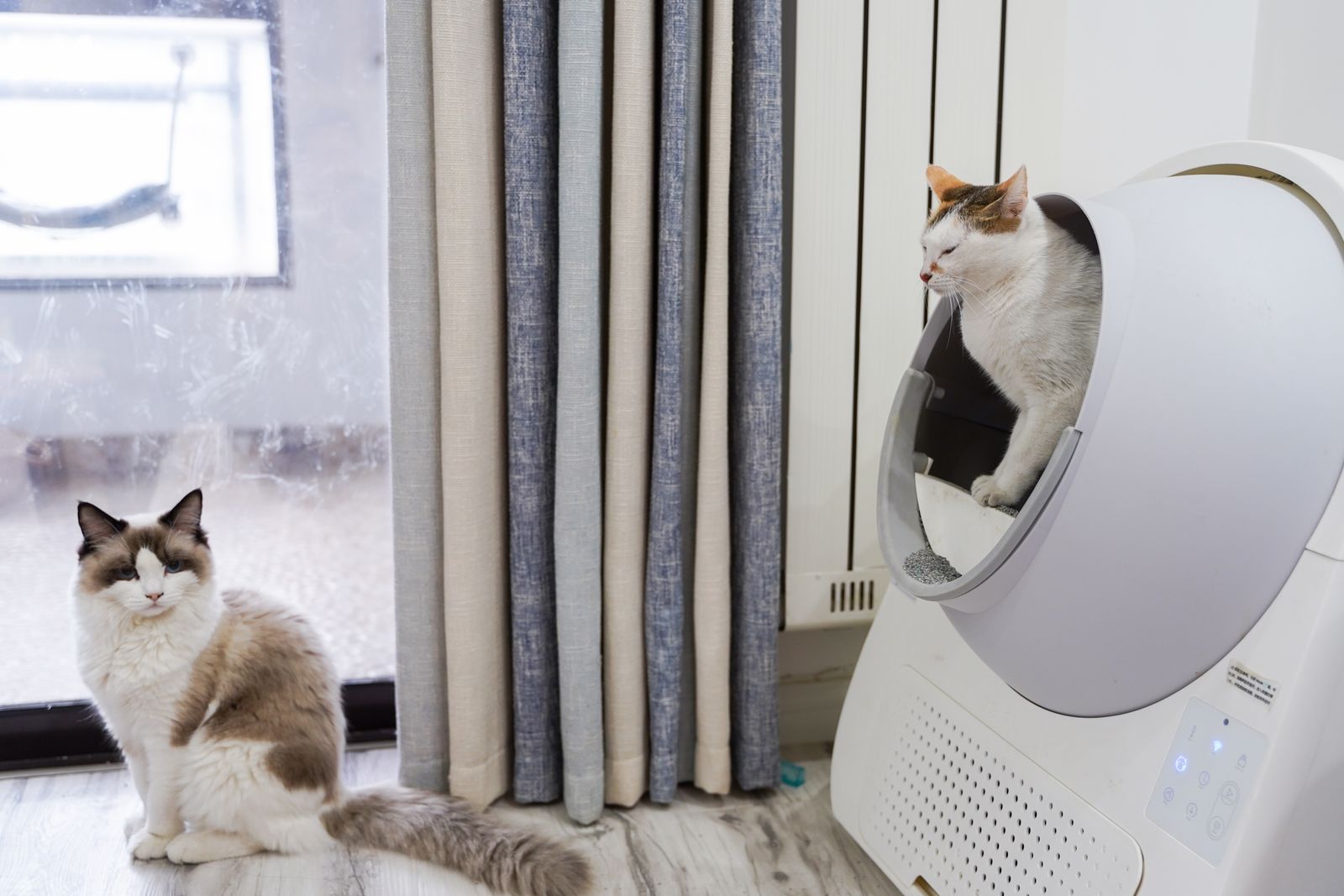
Five self-cleaning boxes judged on what decides the purchase: whether cats accept them, what the consumables cost, and what happens when the motor stops.
Orthopaedic foam, a donut bed and a cat tree, judged on support that lasts, covers that survive washing, and who each one is wrong for.
Four joint supplements worth the money and one worth skipping the hype on, judged on the ingredient doses, the published trials and what the label does not say.
Four picks judged on clumping strength, dust, tracking and the thing that decides everything: whether cats will actually use them.
Five canned foods judged on the adequacy statement, protein on a dry matter basis, moisture, and whether cats will reliably finish the bowl.
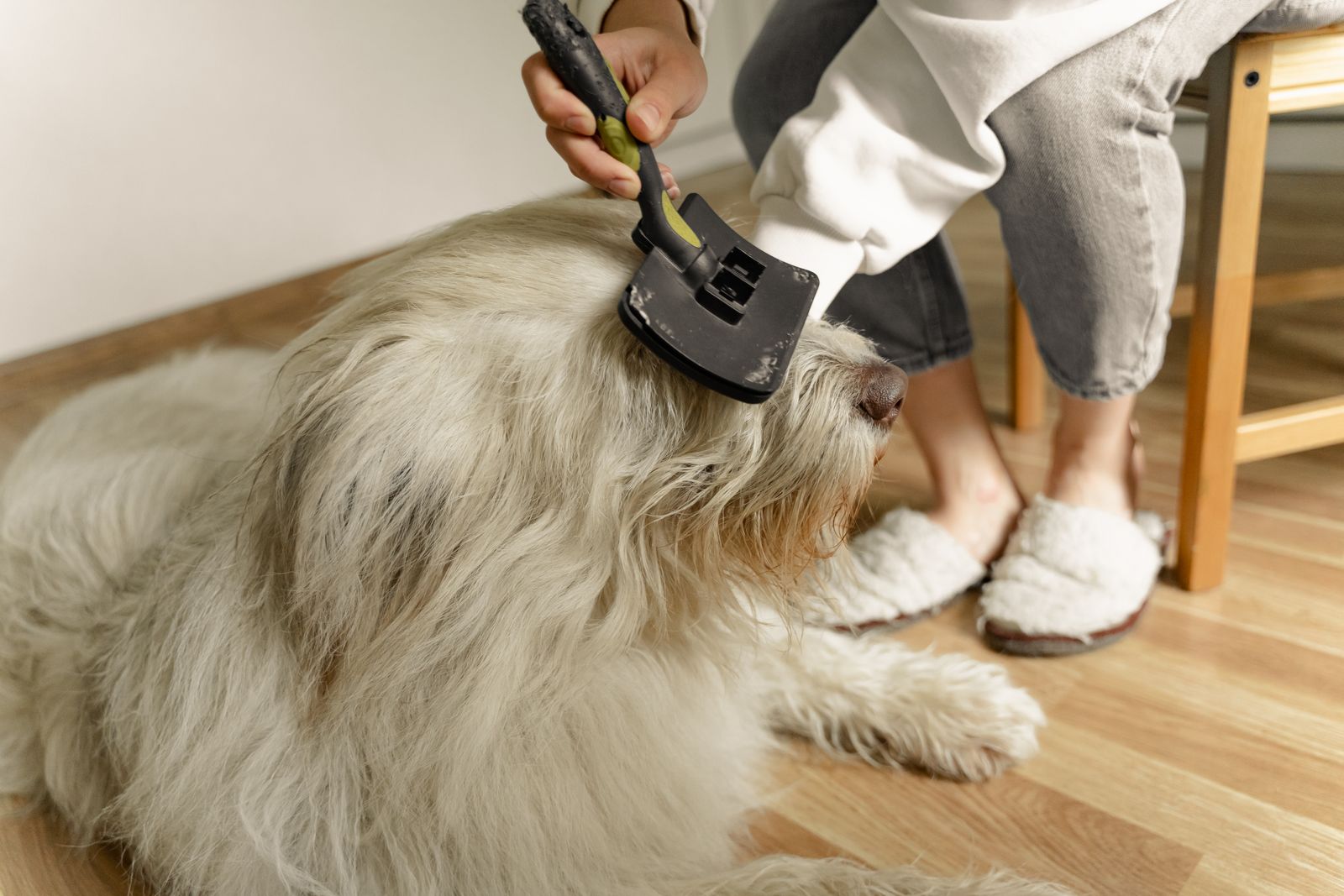
Slickers, rubber curries and self-cleaning brushes for double coats, short coats and cats who object, with the coat type each one is wrong for.
There is no mandatory standard for pet travel products, so most of them have never been tested. One non-profit publishes the research, and it is not flattering.
Puppy, adult, large breed and senior. The five dog foods worth buying, judged on the AAFCO statement, the feeding trial and what owners report at month six.
Contrafreeloading, slower eating and a job for a bored animal. What a food puzzle genuinely delivers, and the difficulty mistake that makes cats quit.
A cat lands on a top platform with several times its body weight. Base footprint, weight and post diameter decide whether the tree stays upright.
The useful number is combined EPA and DHA, and it scales to metabolic body weight. Most labels lead with total oil, which is the wrong figure.
Feline skin is thin and mobile, which is why scissors near a mat is how cats get cut. What works at home, and the line where it stops being a home job.
The preference studies are less one-sided than either camp claims. What they found, what they could not measure, and how to test it on your own cat in a week.
One rule prevents most fractured teeth: if a thumbnail cannot dent it, it is hard enough to break the upper carnassial. Here is the rest of the list.
1,382 reports, no established cause, and a headline that got the ingredient wrong. What the FDA data supports, and what it does not.
The carrier only appears before something bad happens, so the cat learned exactly the right lesson. Here is how to unteach it, over weeks rather than minutes.
An unused cat tree is almost always a placement problem. Three things decide it, and none of them is how much the tree cost.
One seal in pet oral care is awarded on trial data with a published threshold. Here is the threshold, and what a chew without it has demonstrated.
Overlong nails change how a dog stands. Here is where the quick is, how to see it on a black nail, and the recession schedule that makes it retreat.
Six variables, in the order they should be checked. Doing this out of sequence is why households spend six months on the wrong one.
Stalk, chase, pounce, kill, eat. A cat that loses interest after two minutes is usually playing a game that never resolves.
The guaranteed analysis is four numbers measured badly. Here is how to convert them, what a cat needs that a dog does not, and which line matters more.
Two measurements, one formula, and the divider that stops a puppy crate becoming a puppy toilet. Bigger is not better here.
Pet supplements sit in a regulatory gap. One industry seal is the closest thing to a floor, and it is worth knowing exactly how low that floor is.
The chart on the bag is a starting guess for a dog that is not yours. Here is the calculation that replaces it, and the check that beats both.
The n plus one rule, why lining boxes up in one room defeats it, and the placement mistakes behind most household soiling problems.
The word has no legal meaning. Foam density, ILD and total thickness do, and three of those numbers tell you whether a bed will hold a dog off the floor.
Cats evolved to get water from prey and drink badly to compensate. What that does and does not prove about which bowl to fill.
A husky's coat is insulation in both directions and a sun barrier. Shaving it removes the guard hairs permanently in some dogs and cools nothing.
Four lines of small type decide whether a food is complete, who it is complete for, and whether a dog ever ate it before it went on sale.