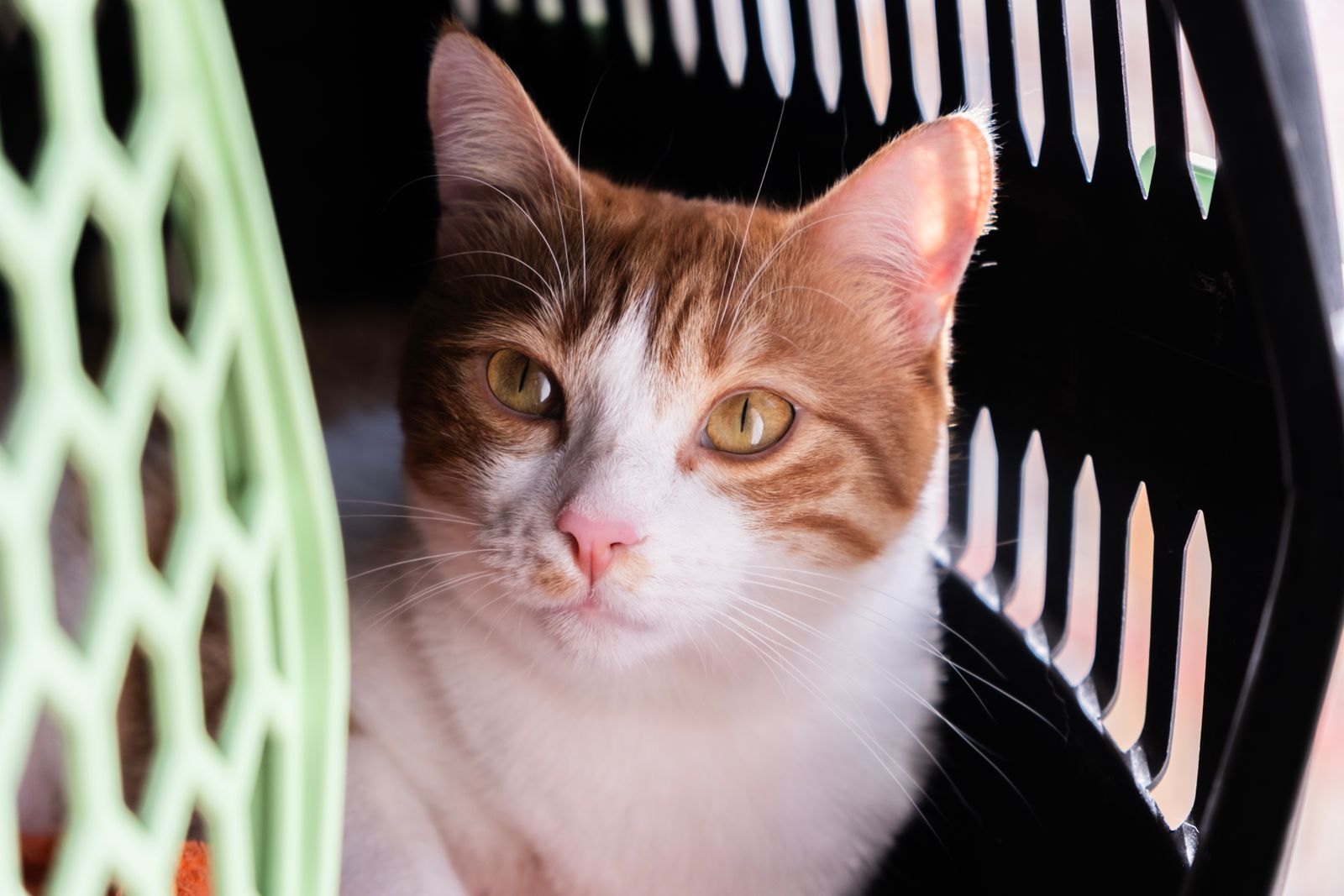
Crates, carriers and travel kit, judged on containment, crash data where it exists, and daily use.
A crate teaches a puppy to hold it. A pen covers the hours the puppy cannot. Here is how shelter behaviour teams split the two, and how to set up both.
Disaster research keeps finding the same pattern: cats get left behind when the household has no carrier. Here is the plan that fixes it before the alarm.
No agency certifies a pet carrier as airline approved. Three separate rulebooks decide whether yours flies, and two of them publish exact numbers.
Almost nothing in this category is independently crash tested. Here is what the few certified carriers were tested against, and what failed before them.
Four crates judged on what decides whether a dog uses one: the size math, and whether the material matches the dog in front of you.
A crate does not fix separation anxiety alone. Here is the desensitization protocol that does the work, and how to tell when it needs a professional.
Five carriers judged on the two things that decide the day: whether it opens from the top, and whether anyone has crash-tested it.
There is no mandatory standard for pet travel products, so most of them have never been tested. One non-profit publishes the research, and it is not flattering.
The carrier only appears before something bad happens, so the cat learned exactly the right lesson. Here is how to unteach it, over weeks rather than minutes.
Two measurements, one formula, and the divider that stops a puppy crate becoming a puppy toilet. Bigger is not better here.