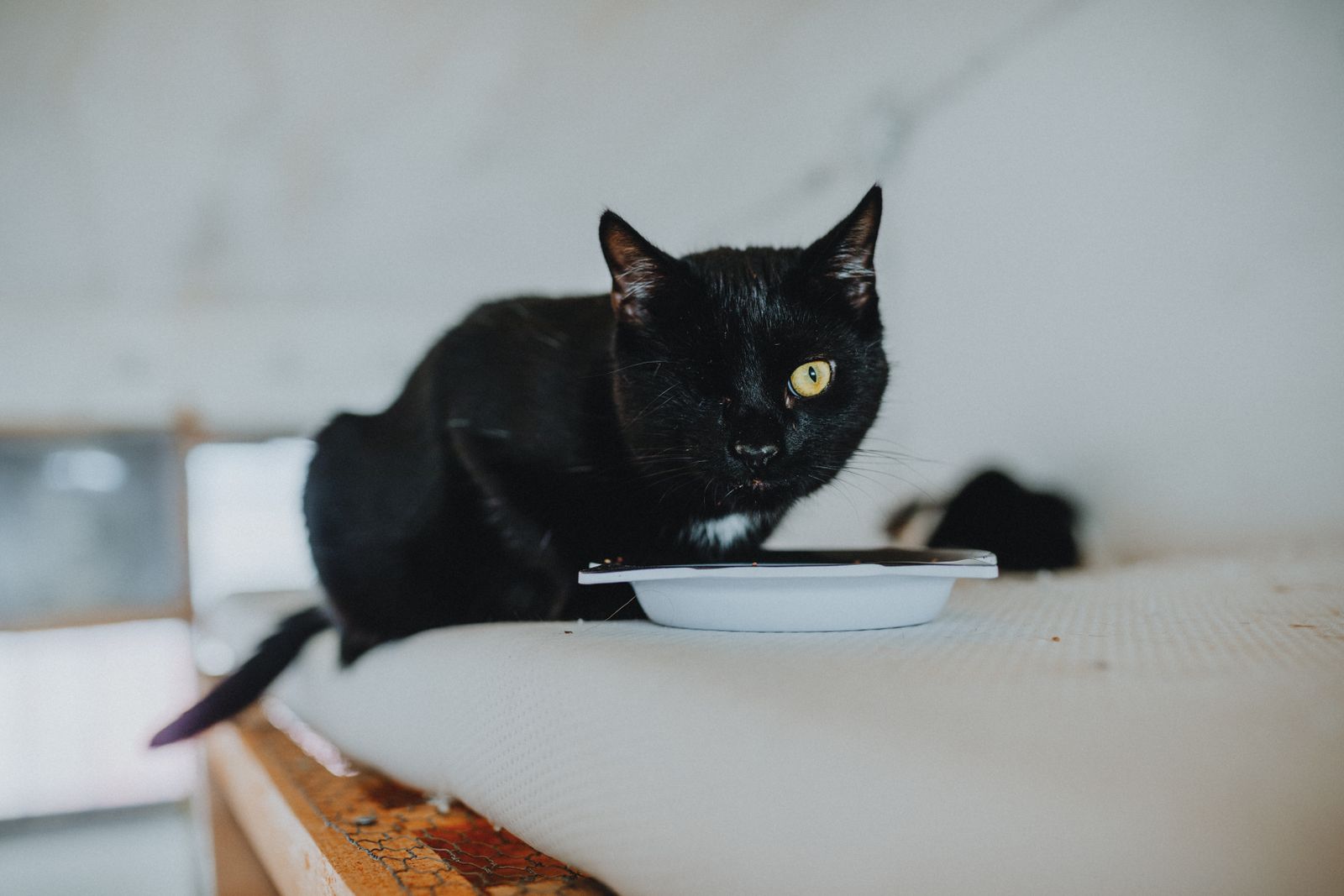
Wet, dry and prescription diets, judged on moisture, protein source and what cats will actually eat.
Tuna is fine as an occasional treat and wrong as a diet. The mercury figures by tuna type, the vitamin E and thiamine problems, and how much counts as a treat.
H5N1 has been traced to specific lots of raw cat food. What the FDA now requires of makers, which processes kill the virus, and why freezing is not one.
AAFCO recognizes gestation/lactation, growth and adult maintenance. There is no senior profile, which is why two bags marked 7+ can differ wildly.
Four kitten foods judged against the AAFCO growth profile: the protein, calcium and DHA minimums that separate a real kitten food from an adult one.
A therapeutic urinary diet and a bag labelled "urinary care" solve different problems. The label alone will not tell you which one your cat needs.
The 7 to 10 day transition schedule the evidence actually supports, why abrupt food changes cause diarrhoea, and when a switch stops being about the food.
Most feeding charts assume an outdoor cat that no longer exists. The actual calorie math, the body condition check, and why cats can't lose weight fast.
Five canned foods judged on the adequacy statement, protein on a dry matter basis, moisture, and whether cats will reliably finish the bowl.
The guaranteed analysis is four numbers measured badly. Here is how to convert them, what a cat needs that a dog does not, and which line matters more.
Cats evolved to get water from prey and drink badly to compensate. What that does and does not prove about which bowl to fill.