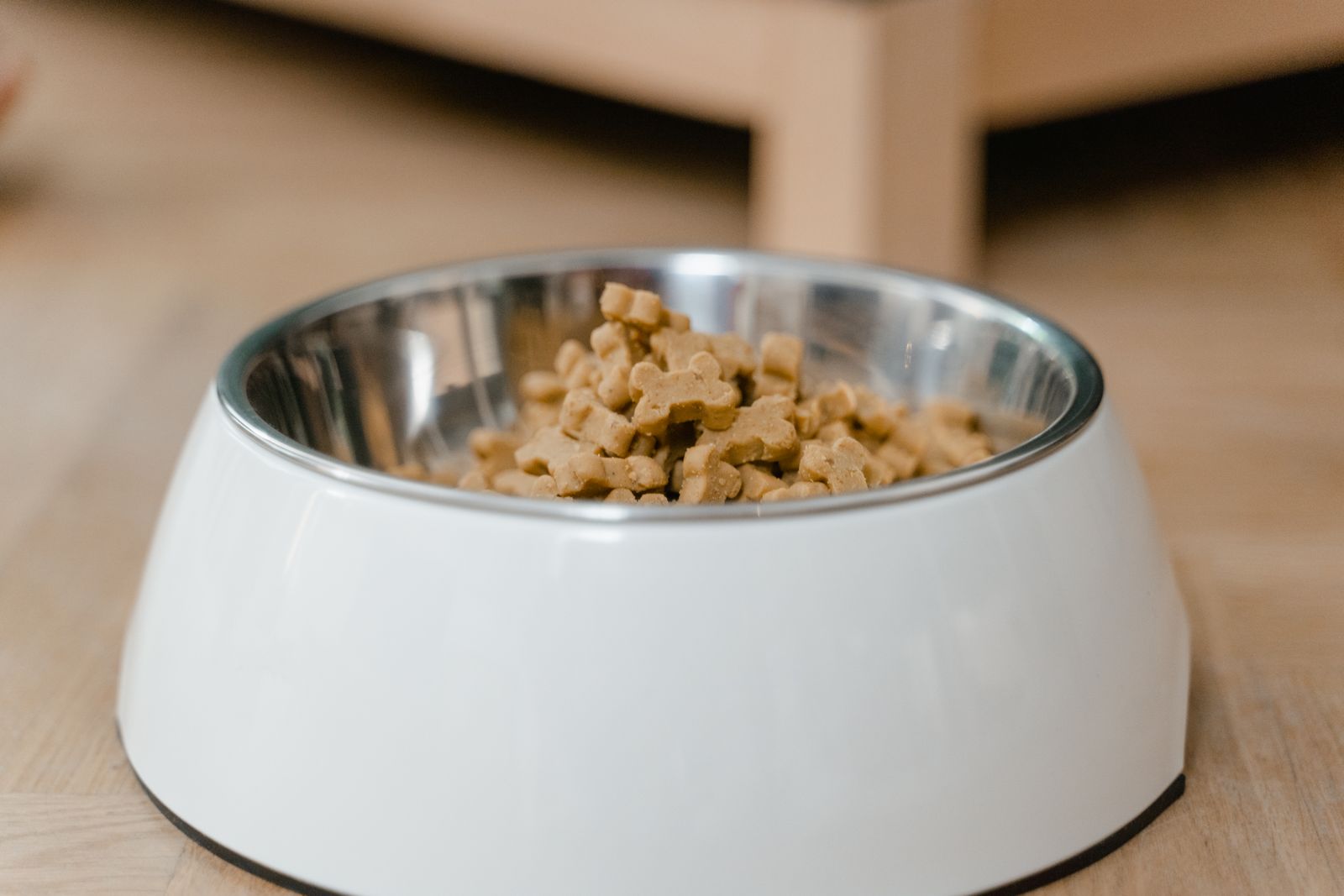
Kibble, fresh and freeze-dried, read against the AAFCO statement rather than the front of the bag.
FDA and Tufts guidance on storing kibble: keep the original bag, stay under 80F, finish an open bag within three months, and what storage-mite studies found.
A 10lb dog eats less than a cup a day, so the kcal per cup on the bag decides whether it stays lean. Five small-breed formulas, read against their labels.
AAFCO caps large-breed puppy growth food at 1.8% calcium, not the usual 2.5%. Four formulas that carry the right statement, and how to check yours.
The moisture case that drives cat feeding barely applies to dogs. What actually changes: calorie density, cost, and a bloat risk factor tied to feeding speed.
Cornell's transition schedule for dog food, why fast switches cause diarrhoea, feeding habits tied to bloat risk, and when it stops being about the food.
AAFCO caps calcium at 1.8% DM for large-breed growth formulas, not the usual 2.5%. Here is why, and how to check a bag against it.
Puppy, adult, large breed and senior. The five dog foods worth buying, judged on the AAFCO statement, the feeding trial and what owners report at month six.
1,382 reports, no established cause, and a headline that got the ingredient wrong. What the FDA data supports, and what it does not.
The chart on the bag is a starting guess for a dog that is not yours. Here is the calculation that replaces it, and the check that beats both.
Four lines of small type decide whether a food is complete, who it is complete for, and whether a dog ever ate it before it went on sale.