Do Cats Need Baths? When a Bath Is Warranted, and When It Is a Warning Sign
A healthy cat almost never needs a bath. The real exceptions, how to do it without a fight, and the one product that must never touch a cat.
By Marin Okafor, editor, dog gear and nutrition labels
Published Oct 14, 2026 · 11 min read
- Grooming
In this guide
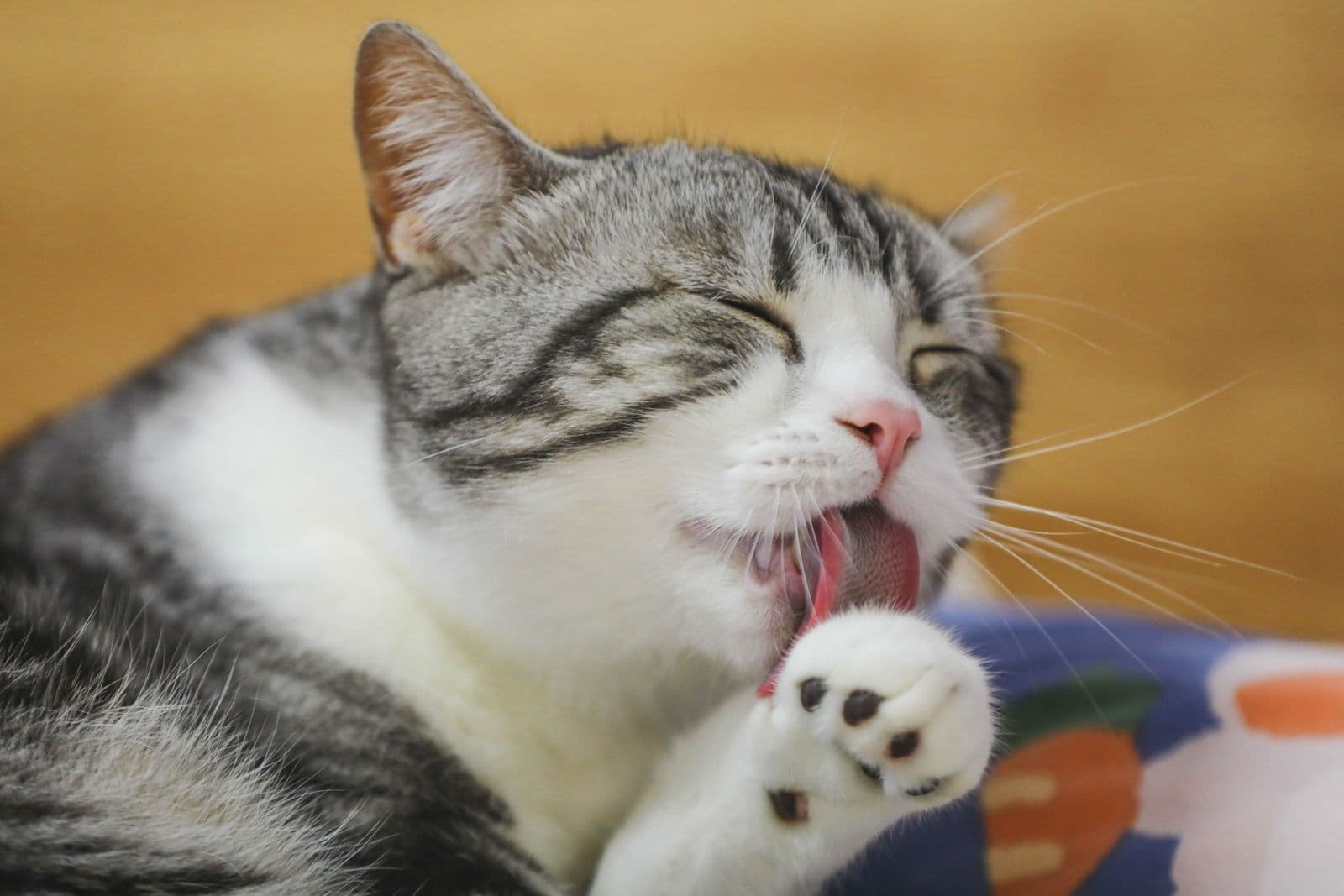
Most cats never need a bath. A healthy adult cat with a normal coat keeps itself clean with its tongue, and the ASPCA's grooming guidance reserves bathing for a cat that "is very dirty or gets into something sticky or smelly." There is no maintenance schedule for cats the way there is for dogs, and anyone selling you one is selling shampoo.
What a cat does need is brushing. The ASPCA puts general coat care at one or two brushings a week, and every few days for an indoor long-haired cat. Brushing removes the loose undercoat that a tongue cannot reach, which is the material that becomes mats and hairballs. If you are brushing on that schedule, the question of bathing mostly answers itself.
So the useful version of the question is not "how often" but "when is this cat the exception". There are five real answers, and one of them is a reason to call a vet rather than run a tap.
The five real reasons to bathe a cat
1. Something on the coat that the cat should not lick off. This is the one that matters most and the one owners underrate. A cat cleans itself by swallowing whatever is on its fur. Motor oil, paint, a spilled household cleaner, a dog flea product, anything sticky from the garage: if it is on the coat, it is going into the cat. The bath here is not about appearance. It is about getting the substance off before grooming turns a skin exposure into an ingestion. If you do not know what the substance is, or it could be toxic, phone a vet or the ASPCA Animal Poison Control Center at (888) 426-4435 before you do anything else (the APCC notes a consultation fee may apply).
2. A hairless breed. Sphynx and other hairless cats produce skin oil like any cat but have no coat to spread and absorb it, so it builds up on the skin and transfers to furniture. These are the cats for whom a routine bath is normal care rather than an emergency measure, and the breeder or your vet will set the interval.
3. A cat that physically cannot groom itself. Cornell Feline Health Center is direct about the senior cat: "Older cats groom themselves less effectively than do younger cats," and that leads to "hair matting, skin odor, and inflammation." Arthritis and obesity do the same thing by the same mechanism, because a cat that cannot fold itself in half cannot reach its own lower back and hindquarters. These cats sometimes need help with soiled fur around the rear end, and a spot clean or a partial bath is often kinder than a full one.
4. A vet-directed medicated bath. Some skin conditions and parasite treatments call for a specific shampoo on a specific schedule. That is a treatment plan, and it belongs to whoever diagnosed the problem. Do not improvise one with a product from the pet aisle.
5. An owner with a cat allergy, under medical guidance. Bathing is sometimes suggested as one part of managing a household allergy. Whether it is worth the stress to the cat is a conversation for the allergist and the vet together, not a default.
Notice what is not on the list: a cat that smells a bit, a cat that sheds a lot, a long-haired cat that looks untidy. Those are brushing problems.
When the coat itself is the symptom
Here is the part that turns a grooming question into a health one. Cats groom compulsively when they are well, and grooming is one of the first behaviours to drop when they are not. Cornell lists an "unkempt appearance of coat or skin" among the signs that may suggest a problem in an older cat, and the same logic holds at any age.
A cat whose coat has gone greasy, flaky, spiky or matted over a few weeks, especially one that used to be immaculate, has usually stopped grooming for a reason. Dental pain, arthritis, weight gain and illness elsewhere in the body all show up this way. Washing that cat fixes how it looks and hides the one visible clue that something changed. Book the vet appointment first. If the vet clears the cat, then deal with the coat.
The same applies to mats in a cat's coat. New mats along the spine and the back of the thighs in an older cat are a mobility signal before they are a grooming one, and the setup changes that help a stiff cat (a low-entry litter box for an arthritic cat is the obvious one) often matter more than the brush.
How to bathe a cat when you have to
The ASPCA's method is the one to follow, and every step exists to remove a reason for the cat to panic.
Before the water. Pick a time when the cat is calm, and a play session beforehand helps. Trim the claws first, which protects you more than anything else on this list, and our guide to trimming a cat's nails covers doing it without a struggle. Brush out loose hair and any small tangles, because water tightens a tangle into a mat. A loose cotton ball in each ear keeps water out of the ear canal.
The setup. A rubber mat in the sink or tub, so the cat has grip. A sink is usually better than a bathtub because you are not bending over a cat at arm's length. Fill it with 3 to 4 inches of lukewarm water, and the ASPCA's exact words are "not hot, please!" Have the towels, the diluted shampoo and the rinse jug ready before the cat comes into the room.
Wetting and washing. Use a hand-held sprayer on low or a cup, and keep water off the face, ears, eyes and nose. Dilute the cat shampoo at about one part shampoo to five parts water, and work it in from the neck to the tail following the direction of hair growth.
Rinsing. This is where most home baths go wrong. Rinse until the water runs clear and then rinse again. The ASPCA warns that shampoo residue "can irritate the skin and act as a magnet for dirt," and anything left on the coat gets licked off afterwards.
The face. Never wash it in the bath. Wipe it with a damp washcloth and plain water. If it is genuinely dirty, use a much weaker shampoo dilution on the cloth and stay well away from the eyes and ears.
Drying. Wrap the cat in a large towel and keep it somewhere warm and out of drafts until it is dry. A hair dryer is only an option for a cat that tolerates the noise, and then on the lowest heat. Comb a long coat gently with a wide-toothed comb as it dries.
If the cat fights hard enough that someone is going to get hurt, stop. The ASPCA's advice for a cat that will not tolerate grooming is a professional groomer or a veterinarian, and for a cat that genuinely needs to be cleaned, that is the right answer rather than a failure.
Shampoo: what to use and what to avoid
Use a shampoo made for cats. The ASPCA warns that human shampoo "can dry out her skin," and a cat's skin is thinner than ours to begin with. Cornell notes that an older cat's skin is "thinner and less elastic" and "more prone to infection," which makes a harsh product a worse idea the older the cat gets.
Do not use a dog shampoo. Plenty are harmless to cats, but the dog aisle is where the pesticide shampoos live, and the label distinction between a plain dog shampoo and a dog flea shampoo is easy to miss at the shelf. A cat-labelled bottle removes the question.
For a hairless cat or a vet-directed bath, use what the vet recommends. For a one-off clean-up of a cat that rolled in something, a plain, unscented cat shampoo is the call.
Spot cleaning and waterless products
For the senior or arthritic cat with a soiled rear end, a full bath is usually unnecessary. A damp washcloth, warm water and patience clean a small area with far less stress, and a sanitary trim from a groomer or vet keeps the problem from recurring on a long-haired cat.
Waterless foams and pet wipes sit in between. They are useful for a small patch of dirt on a healthy cat. Two cautions follow from how cats groom: anything you put on the coat will be swallowed, so choose a product labelled for cats, and do not use one on a cat whose coat has a substance on it that needs to come off completely. That cat needs water.
Brushing is the real routine
The habit that replaces bathing is a comb and a few minutes. Cornell's hairball guidance recommends getting a cat used to daily brushing and combing, and points out that long-haired breeds such as Persians and Maine Coons are at significantly greater risk of hairballs than short-haired ones. For a long-haired cat that resists brushing, Cornell suggests a haircut from the vet or a reputable groomer once or twice a year.
A metal comb with wide and narrow teeth does more for a cat's coat than any shampoo, and our roundup of the best brushes for shedding season covers which tools suit which coat.
Dogs are a different case entirely. A dog cannot keep its own coat clean, and how often to bathe a dog is a real scheduling question with a real answer. For a healthy cat, the answer is almost never.
Questions people actually ask
How often should you bathe an indoor cat?
For a healthy indoor cat with a normal coat, there is no routine schedule. The ASPCA reserves bathing for a cat that is very dirty or has got into something sticky or smelly, and recommends one or two brushings a week for general coat care, or every few days for a long-haired indoor cat. Hairless breeds such as the Sphynx are the routine exception.
Can I use baby shampoo or human shampoo on my cat?
Use a shampoo made for cats instead. The ASPCA warns that human shampoo can dry out a cat's skin, and anything left on the coat after rinsing will be swallowed when the cat grooms.
Is it safe to use dog shampoo on a cat?
Avoid it. Many dog flea and tick shampoos contain pesticides that are more toxic to cats, and the EPA says never to apply dog products to cats. If a dog flea product has been used on a cat, wash it off with mild soap and plenty of water and contact a vet or the National Pesticide Information Center at 1-800-858-7378.
My cat's coat has suddenly gone greasy and unkempt. Should I bathe it?
See a vet first. Cats reduce their grooming when they are in pain or unwell, and Cornell lists an unkempt coat among the signs of a problem in an older cat. Bathing hides the change without addressing the cause.
What water temperature and depth should a cat bath be?
The ASPCA recommends lukewarm water about 3 to 4 inches deep, never hot, with a rubber mat in the sink or tub for grip. Keep water off the face, ears, eyes and nose, and wipe the face with a damp cloth instead.
Sources
- ASPCA, Cat Grooming Tips: https://www.aspca.org/pet-care/cat-care/cat-grooming-tips
- ASPCA Animal Poison Control Center: https://www.aspca.org/pet-care/animal-poison-control
- Cornell Feline Health Center, The Special Needs of the Senior Cat: https://www.vet.cornell.edu/departments-centers-and-institutes/cornell-feline-health-center/health-information/feline-health-topics/special-needs-senior-cat
- Cornell Feline Health Center, A Hairy Dilemma (hairballs): https://www.vet.cornell.edu/departments-centers-and-institutes/cornell-feline-health-center/health-information/feline-health-topics/hairy-dilemma
- US EPA, Controlling Fleas and Ticks on Your Pet: https://www.epa.gov/pets/controlling-fleas-and-ticks-your-pet
As an Amazon Associate we earn from qualifying purchases. We earn a commission on some links, at no extra cost to you. It never changes which products we recommend or the order they appear in. Full disclosure

Who wrote this
Marin Okafor
Editor, dog gear and nutrition labels
Marin Okafor edits PetGearSearch and writes the dog side of it: food, beds, crates, carriers, grooming tools, and the pet insurance policies that pay for the rest. The ingredient panel and the AAFCO statement get read before a single review does, because that back-of-bag paragraph is where two apparently identical foods stop being identical.
The standard
How this guide was built
- The full product specification, ingredient panel or material spec, read end to end rather than summarised from a retail listing.
- The veterinary and regulatory guidance that applies to the category, cited by name and linked — AAFCO nutrient profiles, WSAVA manufacturer guidelines, the VOHC accepted-product list.
- Aggregated owner reviews at volume across retailers, read for the pattern rather than the anecdote, with deliberate attention to the one-star reports where the failure modes live.
- Every price checked against the live listing on the date printed beside it.