CBD for Dogs and Cats: What Is Actually Regulated
No CBD product for animals has FDA approval, and AAFCO has no ingredient definition for it. Here is what that means for the bottle on the shelf.
By Tess Lindqvist, writer, cat products and everyday health
Published Sep 2, 2026 · 9 min read
- Supplements & Health
In this guide
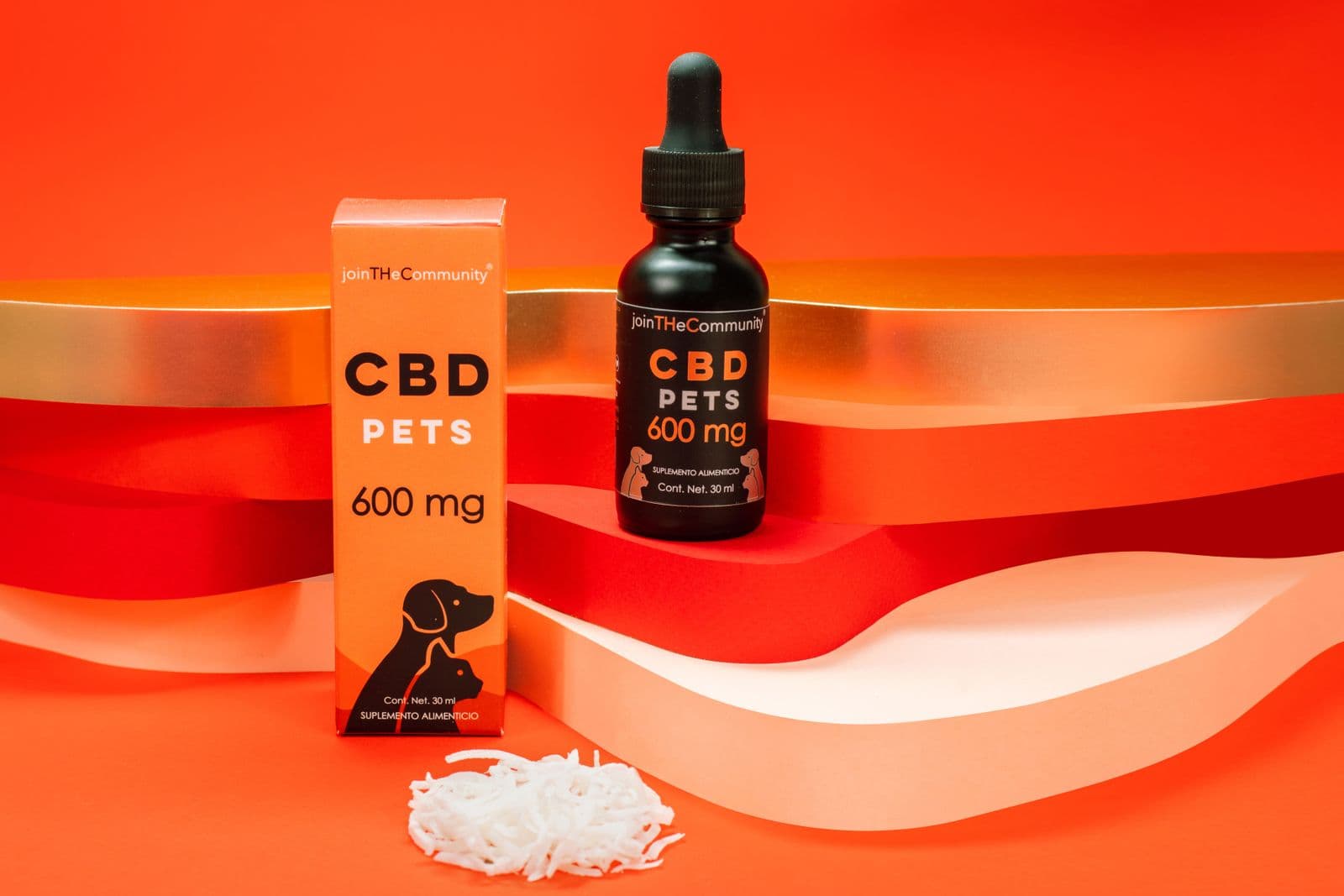
Walk down the supplement aisle of any pet store and CBD is on the shelf next to the joint chews and the probiotics, styled the same way, priced the same way, sitting there as if someone had checked it. Nobody has. The FDA has not approved a single cannabidiol product for use in dogs or cats, and AAFCO has no ingredient definition that would let one legally appear in pet food. That is not a gap in enforcement. It is the current, stated position of both bodies, and it has not moved through 2026.
What "unapproved" means here, specifically
Under the Federal Food, Drug and Cosmetic Act, anything intended to treat a disease, or to affect the structure or function of an animal's body, is a drug, and a drug needs approval before it can be sold with that intent. CBD has never gone through that process for any species. The FDA's consumer guidance on cannabis and cannabis-derived products states plainly that the agency has not approved CBD for any use in animals, and that the same quality and unproven-claim concerns it has raised about human CBD products apply equally to products marketed for pets.
AAFCO's side of this is separate and just as direct. Hemp-derived ingredients, including full- and broad-spectrum CBD, hemp seed oil and hemp protein powder, have no ingredient definition in the AAFCO system. Feed officials in AAFCO's own hemp guidelines describe any hemp ingredient in an animal feed or pet food as objectionable absent that definition, because there is no approved pathway for it yet. A supplement can still be sold as long as it is not marketed as a food or a drug claim, which is the loophole most CBD pet products are threading right now: sold as a "wellness" tincture or chew, with the therapeutic language kept just vague enough to avoid an explicit drug claim.
The FDA's Center for Veterinary Medicine opened a public request for information in January 2025, asking veterinarians and the public for data on how cannabis-derived products are actually being used in animals: species, formulation, dose, indication, adverse events. That RFI is a step toward eventually writing rules, not a sign that approval is close. As of this guide, no cannabis-derived product carries FDA approval, conditional approval or an AAFCO definition for use in dogs or cats.
Why the label still can't be trusted the way a drug label can
A drug label reflects a dose that was tested and reviewed before the product reached a shelf. A CBD pet product's label reflects whatever the manufacturer chose to print, checked by nobody outside the company unless that company happens to pay for third-party testing on its own. What the NASC quality seal actually certifies is a useful frame here: even in supplement categories the seal covers, it verifies that the bottle contains what the label says, not that the ingredient works at that dose. CBD sits a step below even that, because it is not a category AAFCO or the FDA has defined well enough for a compliance seal to check against.
The practical fix is the same one that applies to fish oil dosing and glucosamine and chondroitin: find the milligrams of actual CBD per unit, not the total oil volume, and demand a batch-specific certificate of analysis from an independent lab rather than a marketing claim. A product that will not produce one for the specific batch on your shelf has told you something. A proprietary blend with no milligram figure at all is the same red flag it is in every other unregulated supplement category, and it should be disqualifying here too.
The THC question is the one that actually matters for safety
Full-spectrum hemp extracts carry trace THC, legally capped at 0.3 percent of dry weight under the 2018 Farm Bill. Broad-spectrum products are supposed to have THC removed after extraction. Isolate is CBD alone. The distinction is not cosmetic: dogs and cats have a much higher density of cannabinoid receptors in the brain than humans do, which is why the ASPCA Animal Poison Control Center lists marijuana and THC exposure as toxic to both species, and why cases the APCC handles have climbed roughly 300 percent over five years as recreational and hemp-derived cannabis products have both become more common in households.
Signs of THC toxicosis usually appear within thirty minutes to a few hours of exposure and can include wobbliness and loss of coordination, dribbling urine, dilated pupils, low heart rate, low body temperature, vomiting, and either sedation or agitation. Most cases are not fatal, but a smaller, lighter animal exposed to a concentrated product, an edible, or a bottle chewed open and swallowed whole is a different risk profile than a drop of oil in food.
What the evidence for efficacy actually shows
Set the regulatory question aside for a moment and the honest answer is that the research is thin and preliminary. A handful of small veterinary studies have looked at CBD for osteoarthritis pain and for seizure frequency in dogs, with some showing a measurable effect on owner-reported comfort and a reduction in seizure frequency in a subset of dogs on already-optimized anti-seizure medication. None of that adds up to an approved indication, a standard dose, or a demonstrated benefit large enough to replace a veterinary treatment plan, and the same body of literature has not been built out for cats at all. Anxiety and general "calming" claims, which are the most common marketing angle in the pet aisle, have the least evidence behind them of the lot.
None of this is a case for avoiding the product category outright. It is a case for treating it exactly like the unregulated ingredient it currently is: worth discussing with a vet who knows the animal's full medication list, worth sourcing from a company that will hand over a batch-specific lab result, and not worth buying on the strength of a label claim alone.
Drug interactions are the other real risk
CBD is metabolized through the same liver enzyme pathway, cytochrome P450, that processes a long list of prescription medications, including some seizure medications, some pain medications and some heart medications. That is a pharmacological fact independent of whether CBD itself works, and it is the main reason a vet needs to be in the loop before starting it, particularly for an older animal already on a prescription. A supplement that changes how a real medication is metabolized is not a low-stakes addition to the routine, whatever the label implies.
What to actually do
Talk to your vet before starting any CBD product, name it and its stated dose specifically, and disclose every other medication and supplement the animal is on, the same rule that applies to any joint supplement or anything else in the cabinet. If you decide to proceed, choose isolate or broad-spectrum over full-spectrum to remove the THC variable, buy from a company that publishes a current, batch-specific certificate of analysis rather than a generic one, and start at the lowest labeled amount rather than the serving size printed for a larger animal. Keep the product itself out of reach the way you would a medication, since the biggest documented harm in this category is accidental ingestion of a whole bottle or an edible, not a correctly dosed serving.
Questions people actually ask
Is CBD legal to give my dog or cat?
Hemp-derived CBD with less than 0.3 percent THC is legal to sell under the 2018 Farm Bill, but the FDA has not approved any CBD product for use in animals and AAFCO has no ingredient definition allowing it in pet food. Selling it is currently tolerated in a gray area rather than formally approved.
Can CBD get my dog or cat high?
Pure CBD isolate should not. Full-spectrum products carry trace THC, and dogs and cats have a much higher density of cannabinoid receptors than humans, which is why even a small amount of THC can cause wobbliness, sedation or agitation. Choose isolate or broad-spectrum to avoid the question entirely.
How do I know a CBD pet product actually contains what the label says?
Ask for a current, batch-specific certificate of analysis from an independent lab, not a generic one for the product line. A company that will not provide one for the batch you are buying has told you something about how seriously it takes accuracy.
Does CBD interact with other medications?
It can. CBD is processed through the same liver enzyme pathway as a range of prescription drugs, including some seizure and heart medications. Tell your vet exactly what your animal is taking before adding CBD to the routine.
What should I do if my pet eats a CBD or THC product?
Call your vet or the ASPCA Animal Poison Control Center at (888) 426-4435 right away, and bring the product label. Signs include wobbliness, dribbling urine, dilated pupils and either sedation or agitation, usually starting within a few hours of exposure.
Sources
- FDA: What You Need to Know About Products Containing Cannabis or Cannabis-derived Compounds, Including CBD
- FDA Center for Veterinary Medicine: Solicits Public Comments on Use of Cannabis-Derived Products in Veterinary Medicine
- FDA Center for Veterinary Medicine: FDA Warns Four Companies for Illegally Selling CBD Products Intended for Use in Food-Producing Animals
- ASPCA: Marijuana Toxicity in Pets
- AAFCO Guidelines on Hemp in Animal Food
- NASC Quality Seal
As an Amazon Associate we earn from qualifying purchases. We earn a commission on some links, at no extra cost to you. It never changes which products we recommend or the order they appear in. Full disclosure

Who wrote this
Tess Lindqvist
Writer, cat products and everyday health
Tess Lindqvist writes the cat side of PetGearSearch, plus the health-adjacent categories where a label makes a claim the evidence has to back. The question asked of every product is the one owners actually ask at 3am: will the animal use it, and does it do the thing the box says.
The standard
How this guide was built
- The full product specification, ingredient panel or material spec, read end to end rather than summarised from a retail listing.
- The veterinary and regulatory guidance that applies to the category, cited by name and linked — AAFCO nutrient profiles, WSAVA manufacturer guidelines, the VOHC accepted-product list.
- Aggregated owner reviews at volume across retailers, read for the pattern rather than the anecdote, with deliberate attention to the one-star reports where the failure modes live.
- Every price checked against the live listing on the date printed beside it.